
How Long Does Commercial Construction Take in Denver, CO?
Commercial construction timelines in Denver can vary based on the type of project, the condition of the property, permitting requirements, inspections, material availability, and how clearly the project is planned before construction begins. A tenant improvement may take a few months, while a larger remodel, medical office buildout, corporate interior, or ground-up commercial facility may take much longer.
At Hill Commercial Construction, we help clients understand the full timeline before work begins. Our goal is to build the right path forward through clear dialogue, professional planning, experienced construction management, and accountability from due diligence through final closeout.
Based in Centennial, Colorado, Hill Commercial Construction supports commercial projects throughout the Denver area, including medical practices, design assist projects, ground-up facilities, tenant interior improvements, and corporate locations. We understand that time matters, but so does doing the work correctly.
This Article will address
- How long commercial construction usually takes in Denver, CO
- The average timeline for tenant improvements, remodels, and ground-up construction
- What phases are included in a commercial construction timeline
- Why preconstruction matters for timeline accuracy
- How inspections, approvals, and permitting can affect the schedule
- What causes construction delays
- How to speed up a construction project without cutting corners
- How design assist can help improve timelines
- When to start planning a commercial construction project in Denver
What Is the Average Timeline for Different Commercial Construction Project Types?
The average timeline for a commercial construction project in Denver, CO depends on the scope of work. Some projects involve a focused interior update, while others require design coordination, permitting, site work, utilities, structural construction, inspections, and final approvals.
While each project needs its own schedule, general timelines may include:
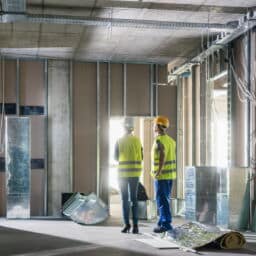
- Tenant improvements: These are often shorter than ground-up projects because the building already exists. The timeline depends on the size of the space, layout changes, finishes, mechanical systems, electrical needs, plumbing, permits, and inspections.
- Commercial remodels: Remodels can vary significantly. A cosmetic remodel may move faster, while a project involving structural changes, building systems, phased construction, or occupied-space coordination may require a longer schedule.
- Medical practice construction: Medical and dental office projects often require additional planning for patient flow, treatment rooms, equipment placement, plumbing, electrical systems, accessibility, infection control, and code compliance.
- Corporate interiors: Office and corporate projects may include private offices, conference rooms, workstations, break areas, technology infrastructure, specialty finishes, and brand-focused design details.
- Ground-up commercial construction: Ground-up projects usually take the longest because they begin with the site itself. These projects may include due diligence, design, permitting, site preparation, utilities, foundation work, structure, exterior systems, interior construction, inspections, and closeout.
The best way to understand your timeline is to begin with a detailed project review. At Hill Commercial Construction, we listen first, then help clients create a practical path based on the project’s goals, space, budget, and schedule.
What Are the Main Phases of a Commercial Construction Timeline?
A commercial construction timeline includes much more than the days when crews are physically building on-site. Strong project planning accounts for each step, from the earliest conversations to final closeout.
Most commercial construction projects include the following phases:
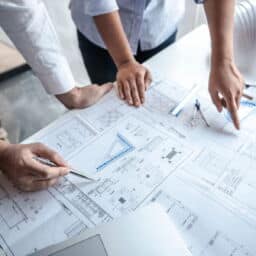
- Preconstruction and planning: This includes defining the scope, reviewing goals, evaluating the site, discussing budget expectations, identifying schedule needs, and planning for potential challenges.
- Design and design assist: During this phase, the project team may work with architects, engineers, consultants, and the owner to shape the project before construction begins.
- Permitting and plan review: Commercial projects may require building permits, zoning review, plan review, trade permits, and other local approvals. Denver provides average plan review time resources, and those review times can vary by project type and complexity.
- Procurement and material coordination: Materials, equipment, fixtures, and specialty systems need to be selected, ordered, and scheduled at the right time.
- Construction: This is the active build phase, which may include demolition, framing, mechanical work, electrical work, plumbing, finishes, exterior work, and site coordination.
- Inspections and closeout: Final inspections, corrections, punch list items, documentation, and project turnover must be completed before the space is fully ready.
At Hill Commercial Construction, our process is built around listening, communicating, constructing, and helping resolve challenges along the way. We know commercial projects are dynamic, and we guide clients through each stage so the finished space stays aligned with the original vision.
What’s the Role of Preconstruction in Timeline Accuracy?
Preconstruction plays one of the most important roles in building a realistic commercial construction timeline. This is the phase where the project team looks closely at what needs to happen, what could slow the project down, and what decisions need to be made before construction begins.
During preconstruction, the team may review:
- Project scope
- Budget expectations
- Site conditions
- Existing building limitations
- Design requirements
- Constructability
- Permitting needs
- Material lead times
- Specialty equipment
- Inspection requirements
- Owner decision deadlines
This phase helps reduce uncertainty. It also gives business owners a better understanding of what can realistically be done, how long it may take, and where the project may need additional planning.
For Hill Commercial Construction, this is where dialogue, expertise, and accountability matter most. We work to understand the client’s vision, then help shape a construction approach that is practical, professional, and built around clear expectations.
How Much Time Should Be Built In for Inspections and Approvals?
Inspections and approvals should always be included in the commercial construction timeline. They should not be treated as last-minute details.
Depending on the project, inspections and approvals may include:
- Zoning review
- Building permit review
- Trade permits
- Fire and life safety review
- Health department considerations
- Electrical inspections
- Plumbing inspections
- Mechanical inspections
- Accessibility requirements
- Final inspections
- Corrections and re-inspections
- Certificate of occupancy or final approval requirements
In Denver, permitting and plan review timelines can vary based on the project category, review volume, and whether revisions are needed. The City and County of Denver provides average plan review time information to help applicants understand current review expectations, but actual timelines can still vary.
For this reason, owners should build approval time into the schedule from the beginning. A strong commercial contractor can help identify which approvals may apply, where timing risks may exist, and how to plan around review and inspection requirements.
What Causes Construction Delays?
Commercial construction delays can happen for many reasons. Some are outside the owner’s control, while others can be reduced through clear planning, timely decisions, and strong communication.
Common causes of construction delays include:
- Incomplete project scope
- Late design changes
- Delayed owner decisions
- Permit or plan review delays
- Inspection corrections
- Material or equipment lead times
- Weather impacts
- Site condition surprises
- Utility coordination
- Subcontractor scheduling
- Change orders
- Specialty code requirements
- Occupied-space phasing during remodels
- Unclear communication between project stakeholders
Delays are not always avoidable, but many can be anticipated. At Hill Commercial Construction, we believe communication is one of the most important parts of a successful project. When the owner, design team, contractor, subcontractors, and vendors are aligned, the project is better positioned to move forward with fewer surprises.
How Can You Speed Up a Commercial Construction Project Without Cutting Corners?
Speeding up a commercial construction project should not mean skipping important steps, rushing inspections, or compromising quality. A better approach is to improve efficiency through planning, communication, and coordination.
You can help keep a project moving by:
- Starting preconstruction early
- Defining the scope clearly
- Making design decisions before construction begins
- Using design assist when appropriate
- Reviewing permit and inspection needs early
- Ordering long-lead materials as soon as possible
- Responding quickly to questions and approvals
- Avoiding unnecessary late-stage changes
- Coordinating closely with the contractor and design team
- Choosing a commercial contractor with local experience
Hill Commercial Construction supports efficient timelines through open communication and practical planning. We work alongside clients to help identify schedule risks, clarify expectations, and keep the project moving without sacrificing professionalism or quality.
Does Ground-Up Construction Take Longer Than a Tenant Improvement?
Yes, ground-up construction usually takes longer than a tenant improvement because it begins with the land or site instead of an existing interior space.
A ground-up commercial construction project may include site evaluation, due diligence, design, permitting, utility coordination, site preparation, foundation work, structural construction, exterior systems, roofing, interior buildout, inspections, and final closeout.
A tenant improvement typically starts inside an existing building. Because the structure is already in place, the project may move faster. However, tenant improvements can still take time if they involve major layout changes, new mechanical systems, plumbing, electrical work, structural adjustments, specialty finishes, or strict code requirements.
For example, a medical office tenant improvement may require more coordination than a basic office update because it may involve treatment rooms, equipment needs, infection control considerations, plumbing, electrical capacity, and patient-flow planning.
The right timeline depends on the details. Hill Commercial Construction helps clients evaluate those details early so they can make informed decisions before committing to a schedule.
Can Design Assist Improve a Commercial Construction Timeline?
Design assist can improve a commercial construction timeline by involving construction expertise earlier in the process. Instead of waiting until the design is complete to identify budget, schedule, or constructability concerns, design assist allows the contractor to collaborate with the project team while plans are still being shaped.
This can help with:
- Budget alignment
- Schedule planning
- Material selection
- Constructability review
- Value-focused recommendations
- Permit preparation
- Coordination with architects and engineers
- Reducing redesign
- Avoiding preventable field issues
Hill Commercial Construction offers design assist projects and works collaboratively with clients, architects, and project partners. This approach supports a smoother process because potential challenges can be discussed earlier, before they become expensive or time-consuming problems in the field.
How Early Should You Start Planning a Commercial Construction Project in Denver?
You should start planning a commercial construction project as early as possible, especially if the project involves a medical practice, corporate office, interior improvement, ground-up facility, or significant remodel.
Early planning gives your team time to review the site, define the scope, coordinate design, discuss budget, evaluate permits, plan procurement, and build a realistic schedule. Waiting too long can compress the timeline and create unnecessary pressure around decisions, approvals, materials, and inspections.
If your business has a target opening date, lease deadline, expansion goal, or move-in date, it is best to work backward from that date with a commercial construction team. This helps identify when design, permitting, ordering, construction, inspections, and closeout need to happen.
At Hill Commercial Construction, we help clients turn early ideas into a practical plan. Whether your project begins as a sketch, an existing set of drawings, or a clear business goal, we help define the next steps and create the right path forward.
Plan Your Denver Commercial Construction Timeline With Hill Commercial Construction
Commercial construction timelines in Denver depend on the type of project, the condition of the space, permitting, inspections, materials, design decisions, and the quality of planning before construction begins. The earlier these details are discussed, the easier it is to create a realistic schedule and reduce avoidable delays.
Hill Commercial Construction is a commercial construction company based in Centennial, Colorado, serving businesses throughout the Denver area. We bring professional experience, open communication, and a collaborative approach to commercial construction projects, including medical practices, design assist projects, ground-up facilities, tenant interior improvements, and corporate locations.
If you are planning a commercial construction project in Denver, Centennial, or the surrounding Colorado area, we invite you to contact Hill Commercial Construction to schedule a consultation.